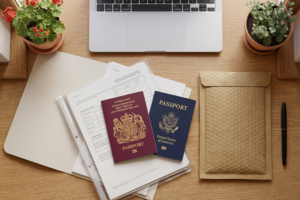
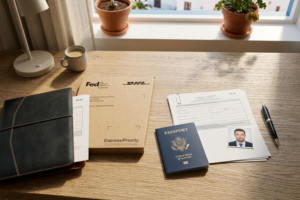
When people think about shipping a parcel internationally, they often assume the hardest part is finding a courier.
In reality, the tricky part can be everything that comes before the parcel leaves.
What are you sending? Where is it going? Can it travel by air or does it need to go by road? Does the destination country allow it to be imported? Does it need special paperwork, packaging or approval?
At Collect Corner, we’ve seen plenty of situations where an item that seems completely ordinary turns out to have restrictions attached to it.
We’ve helped clients send personal belongings across continents, supported families relocating abroad and assisted people moving items to the UK, Ireland, the US, Asia and beyond. We’ve also learned that what’s inside the box matters just as much as how the parcel is packed.
So, before you start filling that box, here’s a practical guide to some of the items that can cause problems — and when it’s worth checking with us first.
Not Sure If You Can Ship It? Ask Us First
The most important thing to remember is that there isn’t one universal list of items that can or cannot be shipped internationally.
Restrictions can depend on:
- The country you’re sending to
- The country you’re sending from
- Whether the shipment travels by air or road
- The courier or postal service being used
- The type and quantity of the item
- How the item is packaged
- Whether customs approval or additional documentation is required
An item may be completely acceptable for one destination but restricted or prohibited in another.
That’s why if you’re unsure, ask us before you pack it.
Liquids, Perfumes and Toiletries
Liquids are one of the most common areas where people get caught out.
Perfumes, aftershaves, nail products, cleaning products, gels, creams, oils and other liquids may be restricted, particularly when shipping by air. Some can be classified as dangerous goods depending on their ingredients and whether they are flammable.
A few examples include:
- Perfume and aftershave
- Nail polish and nail polish remover
- Aerosols and sprays
- Certain cleaning products
- Paints and solvents
- Adhesives
- Flammable liquids
This doesn’t necessarily mean every liquid can never be shipped. The rules depend on the product, quantity, carrier and route.
If you have liquids in a parcel, speak to us before sending it.
Batteries and Electronics
Electronics can also require a little more thought than simply putting them in a box.
Lithium batteries, in particular, are subject to transport restrictions. Some batteries may be accepted when installed inside equipment, while loose or spare batteries can be subject to much stricter rules. Some destinations may also have their own restrictions.
This can affect items such as:
- Laptops
- Tablets
- Mobile phones
- Cameras
- Power banks
- Rechargeable equipment
- Battery-powered tools
- Spare batteries
Don’t assume that because an electronic item is legal to own, it is automatically fine to ship internationally.
Tell us what the item is and where it’s going, and we can help check what may be required.
Aerosols and Pressurised Items
Aerosols and pressurised containers can be particularly difficult because they may contain flammable gases or other substances that are restricted during transport.
This can include:
- Deodorant sprays
- Hairspray
- Spray paint
- Certain cleaning sprays
- Fire extinguishers
- Gas canisters
- Camping gas
These are commonly treated as dangerous goods and may not be accepted through standard postal or courier services.
If it is pressurised, check before you ship.
Food, Plants and Animal Products
Food can seem harmless, especially when you’re sending something to family or friends.
But food and agricultural products can be subject to import restrictions depending on the destination.
The same applies to:
- Seeds
- Plants
- Flowers
- Soil
- Certain animal products
- Meat and dairy products
- Some fresh or preserved foods
The destination country’s customs regulations will determine what is permitted.
So if you’re thinking about sending something edible, agricultural or plant-based overseas, ask us to check the destination requirements first.
Medicines and Health Products
Medicines, supplements and health-related products can also be restricted.
Even if a particular product is freely available in Spain, that doesn’t automatically mean it can be imported into another country.
Depending on the destination, you may need documentation, a prescription, an import permit or other approval.
This can apply to:
- Prescription medicines
- Certain over-the-counter medicines
- Vitamins and supplements
- Medical devices
- Health products
- Diagnostic or biological materials
Always check before putting medicines or health products into an international parcel.
Flammable and Hazardous Materials
Some items should never be put into a parcel without checking first.
Examples include:
- Petrol and fuel
- Lighter fluid
- Paint and solvents
- Certain adhesives
- Matches
- Fireworks
- Flares
- Gas cylinders
- Pesticides
- Strong chemicals
- Corrosive substances
- Toxic or infectious materials
- Radioactive materials
These fall under dangerous goods regulations and many are prohibited from standard postal networks.
Weapons, Ammunition and Other Restricted Items
Weapons, ammunition and explosives are heavily restricted and cannot simply be included in an international parcel.
This can include firearms, ammunition, explosives and certain other weapons or weapon-related items. Correos lists weapons and explosives among prohibited items for its postal network.
If you’re unsure whether an item falls into a restricted category, don’t send it until you’ve checked the requirements.
Riding Vests with Airbag Canisters — Air vs Road
This is one that can catch equestrian riders off guard.
Riding vests fitted with airbag canisters use compressed gas to inflate the protective system during an accident. Because of the canister, they cannot simply be treated like an ordinary item of clothing.
We’ve had clients come to us wanting to send riding vests with their canisters. In these situations, the transport method matters.
Some items that cannot travel by air may be possible to send by road, subject to the carrier’s requirements.
If you’re shipping an airbag riding vest, ask us before packing it.
And Then There Are the Items You Didn’t Know Were in the Box
One of our more memorable situations involved a family relocating to Asia.
We were helping them send personal belongings ahead of their move when one of the shipments was flagged during X-ray screening.
The reason?
The children had added items to the boxes without anyone realising.
Thankfully, we were able to intervene quickly. The flagged boxes were separated from the rest of the shipment and returned to us so they could be checked and repacked before continuing their journey.
It’s a good reminder that when you’re shipping personal belongings — particularly during a house move — check every box before it leaves.
Even if you think you know exactly what’s inside.
When Customs Requires More Than a Simple Declaration
Some international shipments require much more detail than simply writing a description on a customs form.
Depending on the shipment and destination, you may need:
- An itemised packing list
- Accurate descriptions of each item
- Values for individual items
- Country of origin information
- HS codes
- Supporting documents
- Import permits or approvals
- Additional customs declarations
One of the more complex shipments we’ve assisted with involved repacking a client’s personal belongings before relocating abroad.
We removed items that weren’t permitted under the personal belongings category for that destination or that could have resulted in significant import charges. We then itemised the remaining contents and recorded the relevant HS codes.
The client was kept informed throughout the process with photos and videos and approved each stage before the shipment moved forward.
That’s why customs assistance is often about much more than filling in a form.
Items That May Need Approval or Extra Checks
Some items aren’t necessarily completely prohibited, but you should always check before shipping them.
These can include:
- Lithium batteries and battery-powered equipment
- Electronics
- Medicines and supplements
- Food products
- Alcohol
- Cosmetics and beauty products
- Plants, seeds and flowers
- Animal products
- Sporting equipment
- Antiques and valuable items
- Artwork and collectibles
- Items made from animal or plant materials
- Chemicals and cleaning products
- Items containing compressed gas
- Large or unusual equipment
The exact requirements can vary significantly depending on the destination and courier.
If you’re unsure, send us the details before you send the parcel.
What About Electronics, Clothing and Personal Belongings?
Not everything complicated is prohibited.
Everyday items such as clothing, books, household belongings and many types of personal effects can generally be shipped, but they still need to be correctly described and declared.
Electronics, higher-value items and unusual belongings may require additional checks.
And when you’re sending personal belongings as part of a relocation, the destination country’s rules can be particularly important.
The safest approach is simple: tell us what you’re sending, where it’s going and whether you’re sending it by air or road.
We’ll help you understand what needs checking before the parcel moves forward.
Customs Clearing Assistance from Collect Corner
If you’ve ordered something from outside the European Union and it arrives in Spain, it may be subject to customs charges.
Collect Corner offers Customs Clearing Assistance for €25 per shipment, working with Correos Aduanas and other courier companies on your behalf.
We can help with the paperwork, communicate with the relevant authorities and guide you through the steps needed to release your parcel.
However, customs decisions are ultimately made by the relevant authorities. We can represent and assist you through the process, but we cannot guarantee that customs will approve the import of a particular item.
Before You Send: Give Us the Details
If you’re not sure whether something can be shipped internationally, don’t guess.
Before bringing the parcel to us, send us:
What is it?
Tell us exactly what the item is.
Where is it going?
The destination country can make a big difference.
How many are you sending?
Quantity can affect whether an item is accepted.
Does it contain a battery, liquid, gas or chemical?
These details can change the shipping requirements.
Is it valuable or unusual?
Some items may require additional documentation or customs checks.
With this information, we can help determine whether it is something that can be shipped normally, needs special arrangements, or should not be shipped at all.
The Easy Part and the Hard Part
Getting a parcel from A to B is, as we often say, the easy part.
The harder part is making sure what’s inside the parcel is allowed to travel, that the transport method is suitable, and that everything is correctly documented and declared.
That’s where we can help.
Whether you’re shipping personal belongings, relocating, sending items back to your home country or receiving goods from outside the EU, ask us before you ship if you’re unsure.
A quick check before packing can save you from a rejected parcel, unexpected delay or unnecessary customs problem.
Have an item you’re not sure about? Speak to Collect Corner before you send it. We’re happy to check the details and help you understand what options may be available.